
Moving to Huntington Beach CA: Essential Tips for 2026
Moving to Huntington Beach CA in 2026 means entering one of Orange County’s most recognizable coastal markets. According to Redfin, Huntington Beach has maintained relatively tight inventory with homes often receiving multiple offers and typical sale-to-list ratios hovering near 100% as of late 2025. That competitive backdrop shapes everything from rental planning to commute decisions. Understanding neighborhoods around Pacific Coast Highway, Beach Boulevard, and Main Street helps new residents align lifestyle, budget, and long-term goals before committing to a lease or purchase.
Why Do So Many People Consider Moving to Huntington Beach CA?
Huntington Beach combines classic surf-town identity with substantial suburban amenities. The city’s 8.5 miles of coastline include Bolsa Chica State Beach, Huntington State Beach, and Dog Beach, drawing visitors year-round. According to Walk Score, central Huntington Beach scores in the low 70s for walkability near Main Street and Pacific City, where dining, shopping, and the Huntington Beach Pier cluster together. The mix of coastal trails, parks, and commercial corridors gives residents options beyond car-focused commuting.
Schools also play a large role in relocation decisions. The Huntington Beach Union High School District operates campuses such as Huntington Beach High School, Edison High School, Ocean View High School, and Marina High School. According to Niche, the district receives strong overall marks, with several schools scoring in the upper ranges for academics and extracurricular offerings. Nearby Golden West College adds community-college access within a short drive of many neighborhoods.
Quality-of-life amenities extend well inland from Pacific Coast Highway. Huntington Central Park, covering more than 350 acres according to the City of Huntington Beach, features lakes, equestrian trails, and the Shipley Nature Center. Residential pockets around Talbert Avenue, Slater Avenue, and Gothard Street benefit from proximity to this expansive green space. Residents often combine weekend time at the park with errands at Bella Terra or Seacliff Village, creating a practical balance between recreation and daily needs.
Which Huntington Beach Neighborhoods Fit Different Lifestyles?
Coastal areas near Downtown Huntington Beach appeal to residents prioritizing nightlife and beach access. Condos and townhomes around Main Street, Olive Avenue, and 3rd Street sit within a short walk of the Huntington Beach Pier, Pacific City, and popular restaurants like Duke’s Huntington Beach. According to Zillow, properties close to the water often trade at noticeable premiums, with luxury homes above $2.4M not uncommon along select Pacific Coast Highway segments.
Families seeking quieter streets frequently focus on neighborhoods near Edison High School and Newland Elementary, south of Adams Avenue and west of Magnolia Street. According to GreatSchools, several elementary campuses in this area hold ratings between 7 and 9 out of 10. Parks such as Lake Park and Manning Park provide playgrounds and open fields, while nearby shopping at Five Points Plaza and Beach Boulevard offers everyday convenience without the congestion that surrounds the pier district during summer months.
Evening strolls along Pacific City’s upper deck bring the scent of grilled seafood drifting from Sandy’s Beach Shack and the soft crash of waves below the Huntington Beach Pier. String lights glow over patio tables, reflecting off the windows of shops facing Pacific Coast Highway, while cool ocean air settles over palm-lined walkways. The steady sound of live music from nearby bars on Main Street mixes with the murmur of conversations, giving the harbor-facing promenade an unmistakably coastal energy.
How Do Housing Costs and Rentals Look for 2026?
Housing costs remain a central factor for anyone moving to Huntington Beach CA. According to Redfin data through late 2025, entry-level condos typically close in a range between about $600,000 and $750,000, depending on proximity to the ocean and building amenities. Single-family homes away from the coastline often fall between roughly $900,000 and $1,200,000, with beach-close properties commanding notably higher prices.
Renters usually encounter one-bedroom apartments around Beach Boulevard, Warner Avenue, and Edinger Avenue in the mid to upper four-figure monthly range. According to current surveys by Apartments.com, many one-bedroom units list between about $2,300 and $2,900 per month, while two-bedroom options frequently reach or exceed the low $3,000s. Buildings near Bella Terra and the Costco corridor along Center Avenue often include pools, fitness centers, and controlled-access parking.
Financing strategies respond to these price points. According to HUD, FHA loans permit minimum down payments of 3.5% for qualified borrowers, which can ease entry into the condo market. Conventional loans with 20% down remain common for buyers targeting detached homes around Springdale Street, Heil Avenue, and Talbert Avenue to avoid mortgage insurance. Buyers also frequently factor in property taxes, with Orange County’s effective rate generally hovering near 1% to 1.2%, based on ranges reported by the Orange County Treasurer-Tax Collector.
What Daily Life and Commute Patterns Can New Residents Expect?
Daily life in Huntington Beach often centers on balancing coastal recreation with regional commuting. Pacific Coast Highway, Beach Boulevard (State Route 39), and the San Diego Freeway (Interstate 405) form the main transportation spine. According to U.S. Census Bureau QuickFacts, average one-way commute times for Huntington Beach residents hover near 30 minutes. Many workers travel toward employment hubs in Costa Mesa, Irvine, or Long Beach using either the 405 or arterial routes like Warner Avenue and Edinger Avenue.
Public transit plays a supporting role. The Orange County Transportation Authority (OCTA) operates bus routes along Beach Boulevard, Gothard Street, and Adams Avenue. According to OCTA, several lines connect Huntington Beach to regional transfer points in Costa Mesa and Westminster, giving non-drivers access to major job centers. Cyclists often rely on the Santa Ana River Trail or beach bike paths, which offer car-free connections stretching several miles north toward Sunset Beach and south toward Newport Beach.
Mornings near Huntington Central Park bring the rustle of eucalyptus leaves in a light breeze and the distant hum of vehicles along Goldenwest Street. Joggers circle the paved paths as ducks glide across the park’s small lakes, while the smell of fresh coffee drifts from the Park Bench Café tucked among the trees. Sunlight filters through tall pines toward the adjacent Huntington Beach Central Library, casting dappled patterns on benches where residents read before starting the workday.
What Practical Steps Help Make Moving to Huntington Beach CA Smoother?
Planning the logistics of moving to Huntington Beach CA involves more than choosing a neighborhood. Many residents schedule moves around the city’s event calendar, since large surf competitions along Huntington City Beach and the U.S. Open of Surfing can draw crowds in the tens of thousands. According to the Visit Huntington Beach tourism bureau, peak events can last over 9 days, affecting parking near the pier, Pacific City, and downtown corridors. Coordinating move-in dates outside these windows often simplifies truck access.
Utility setup typically includes Southern California Edison for electricity, SoCalGas for natural gas, and Spectrum or AT&T for internet service. The City of Huntington Beach manages water, sewer, and trash accounts. According to the city’s Public Works Department, new accounts can usually be established within a few business days, but residents often allow at least 7 to 10 days during busy seasons. Coordinating these timelines with move-in inspections and elevator reservations in larger buildings reduces last-minute complications.
Vehicle and parking considerations vary by area. Older streets around Downtown Huntington Beach and Lake Park feature more limited off-street parking, while newer developments near Edinger Avenue and the Five Points area often include structured garages. According to regulations summarized by the Huntington Beach Police Department, overnight parking restrictions apply in certain zones, and residential permits may be required near popular beach-adjacent blocks. Mapping these rules in advance helps prevent citations during the first weeks after arrival.
The 100% sale-to-list ratio cited at the start of this guide reflects a market where hesitation can quickly reduce housing options, especially near Pacific Coast Highway and Main Street. That same 100% figure from the opening underscores how accurately priced homes and rentals in Huntington Beach tend to draw prompt interest from qualified parties. The California Regional MLS (CRMLS) public portal provides one of the clearest ongoing views of new listings and recent closings across Huntington Beach neighborhoods. Buyers who register listing alerts through that platform and commit to touring promising properties within 48 hours of activation before the late-spring surge often secure better locations, while those delaying decisions until after Memorial Day frequently confront higher competition and reduced inventory.
FROM OUR BLOG
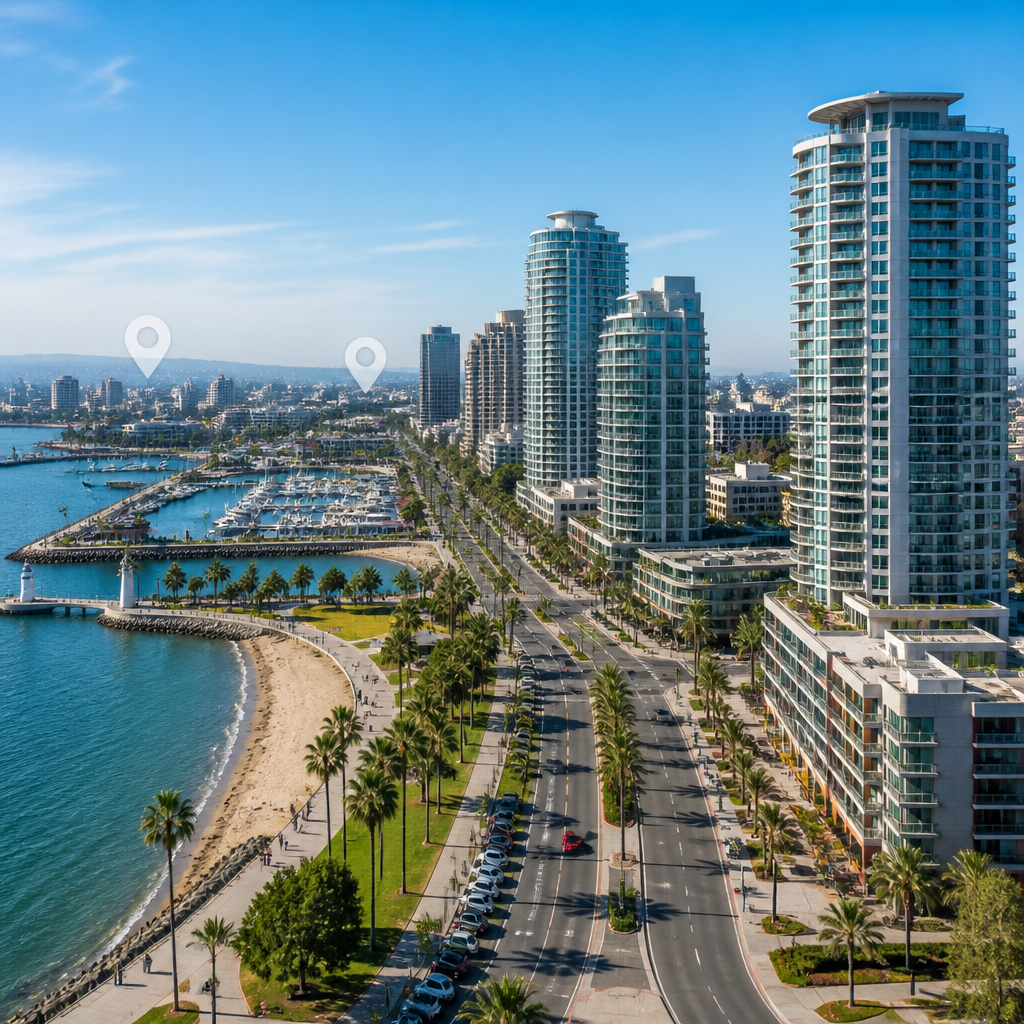
Long Beach High-Rise Condos: The Ultimate Buyer's Guide for 2026
Long Beach High-Rise Condos: The Ultimate Buyer's Guide for 2026 Long Beach high-rise condos along Ocean Boulevard and in Downtown Long Beach appeal to buyers seeking panoramic harbor views, lock-and-leave living, and strong long-term demand. According to Redfin, condos and townhomes account for rou
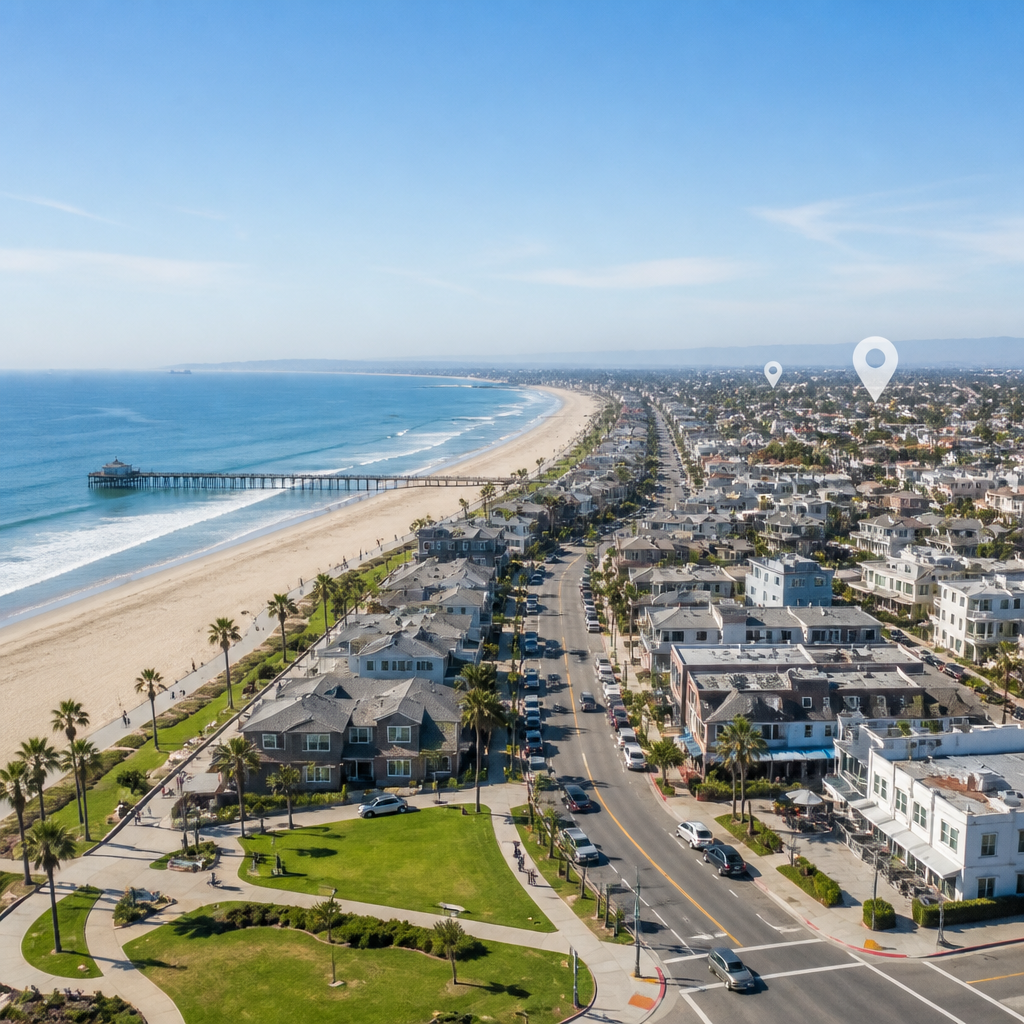
Seal Beach Waterfront Properties: Why They’re the Best Investment in 2026
Seal Beach Waterfront Properties: Why They’re the Best Investment in 2026 Seal Beach waterfront properties sit at the crossroads of limited supply and escalating coastal demand. According to Redfin data through mid‑2025, Seal Beach homes show a competitive market with sale-to-list ratios near 100%,